Cabinet of Ministers of Ukraine Resolution No. 1402 dated November 16, 2011, approved the Rules for the transportation of animals. These Rules establish requirements for the transport of animals by air, road, rail, sea, and inland waterways.
General requirements for animal transportation
Animals may be transported with or without an accompanying person.
Transportation of animals without an accompanying person is permitted if:
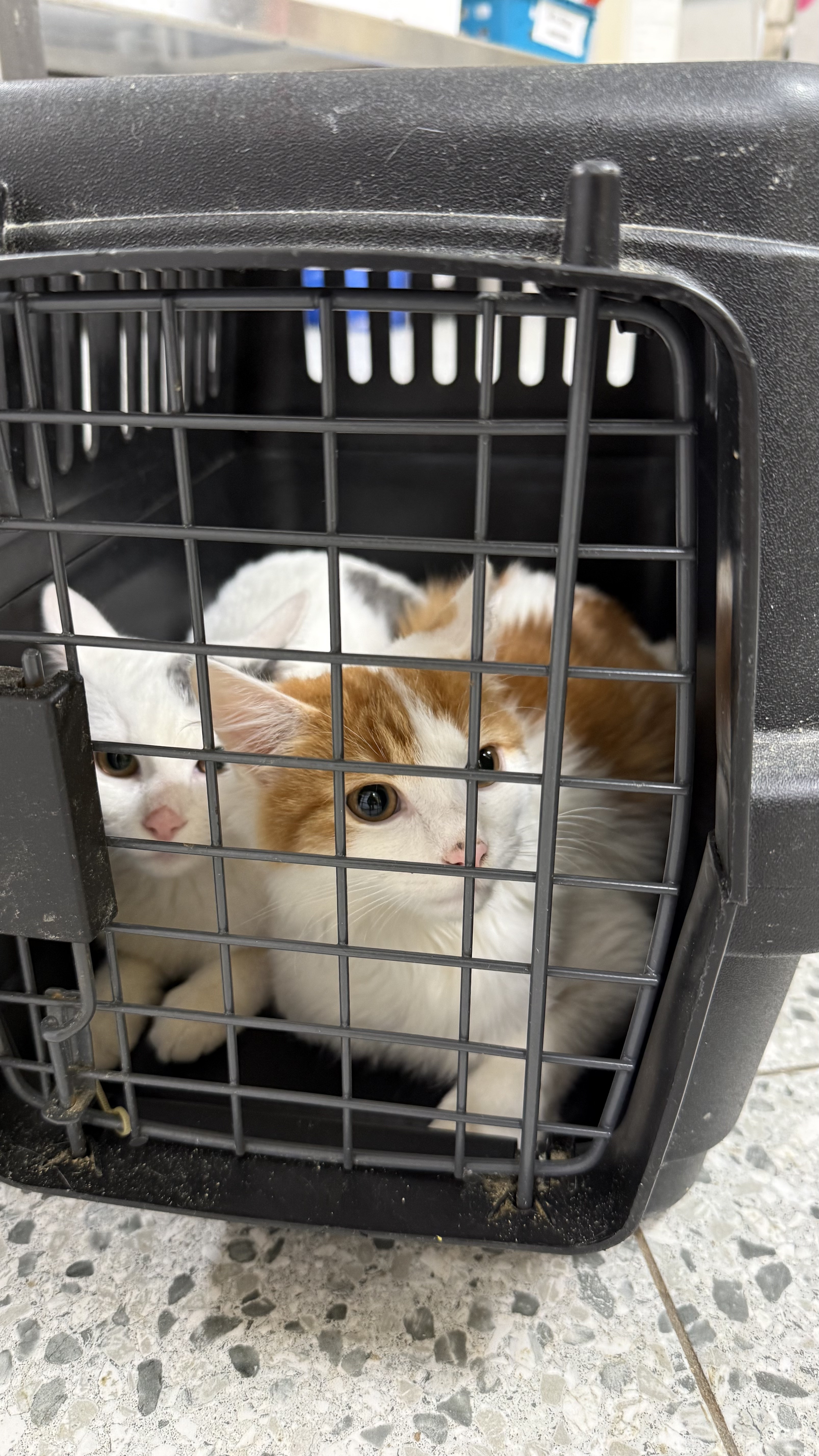
- the animals are kept in closed, properly ventilated containers equipped with food and water dispensers containing enough supplies for a journey twice as long as planned;
- the carrier assumes the responsibilities of an accompanying person;
- the sender has designated a person to care for the animals at stopover points.
Before transport begins, animals should be accustomed to the vehicle in which they will be traveling.
If loading or unloading takes more than 4 hours, the sender (or recipient) must provide food and water and engage a veterinary specialist.
- In such cases, loading and unloading equipment (platforms, ramps, steps, bridges, scaffolding, etc.) must be used. This equipment must be designed to be easily cleaned and disinfected, prevent injury, minimize animal distress, and prevent escape.
Food in vehiclesused for transporting animals must be stored separately from the animals. If open vehicles are used for transport, the feed must be covered with a tarpaulin.
Attention! When other cargo is transported alongside animals, it must be positioned in a way that prevents injury, suffering, or stress to the animals. It is prohibited to place cargo that could negatively affect the animals' well-being in the compartments where they are being transported.
During loading, transport, and unloading, containers used for transporting animals must remain in an upright position and must not be subjected to sudden jolts, swaying, or shifting while the vehicle is in motion.
- Containers weighing over 50 kilograms must be equipped with an adequate number of securing devices.
Important! During the loading, transport, and unloading of animals, it is prohibited to:
- strike the animals
- apply pressure to sensitive parts of the animals' bodies in a way that causes pain or suffering
- suspend animals using mechanical devices
- lift or drag animals by their head, ears, horns, legs, tail, or skin
- use needles, spikes, or other sharp implements
- obstruct the movement of animals being led to the loading area, veterinary treatment, etc.
Attention! For animals being transported, sedatives are not to be used, except when necessary to ensure their well-being. Such substances may only be administered by a veterinary professional.
The sender must provide the carrier or attendant with tethers. Animals not accustomed to being tethered should be left untethered. Domestic horses over 8 months old, with the exception of unbroken horses, must wear a halter during transport.
- Tethers must be strong enough to allow the animals to lie down, eat, and drink, while minimizing the risk of strangulation or injury.
Attention! Animals must be transported separately if:
- belong to different species or are incompatible with one another
- differ significantly in size or age (unless offspring are being transported with their mother)
- include adult boars or stallions, sexually mature males and females, horned and hornless animals, or animals that require tethering during transport versus those that do not.
Animals intended for transportmust be examined by a veterinary specialist before being loaded into a specialized vehicle to confirm they are fit for transport.
Attention! The following are unfit for transport:
- animals that are in pain or unable to move independently during transit
- piglets under 21 days old (if transported over a distance of more than 100 kilometers)
- lambs under seven days old (if transported over a distance of more than 100 kilometers)
- calves under ten days old (if transported over a distance of more than 100 kilometers)
- puppies and kittens under 56 days old, unless they are being transported with their mother
- females in the final stage of pregnancy (the last tenth of the total gestation period)
- newborn animals with an unhealed navel
- animals with severe open wounds or prolapsed organs;
- animals with horns during the period when the skin covering the horn buds is soft, unless special measures have been taken to protect them.
Sick or injured animals are considered fit for transport if they:
- have minor injuries or illnesses that do not cause them additional suffering during transport. In such cases, the fitness of the animals for transport is determined based on the recommendation of a veterinary specialist
- are being transported as part of research programs where the injury or illness is a component of the program;
- are being transported for the purpose of treatment or diagnosis.
The sender shall provide the carrier with veterinary documentation (veterinary passport, veterinary certificate) for animals being transported, which must be attached to the shipping documents to confirm that the transport is permitted.
The sender must provide the accompanying person or carrier with the necessary equipment for feeding and watering the animals, as well as an adequate supply of food, water, and bedding, based on the number of animals and the duration of the journey.
- Mammals and birds must be fed every 24 hours and watered every 12 hours. The food and water must be of high quality.
The accompanying person is responsible for:
- providing direct care and protection for the animals
- watering, feeding, and milking the animals
- monitoring the health of the animals
- maintaining the transport vehicle in a proper sanitary and technical condition.
Attention! If an animal becomes ill or dies during transport, the accompanying person must immediately notify the carrier to ensure the sick or deceased animal is isolated in a separate compartment of the vehicle and call a veterinary specialist to examine the animals at the nearest stop (station, port, airport, etc.).
Important! Animals that become ill or injured during transport must be isolated immediately. These animals must be provided with emergency veterinary care. If necessary, a veterinary specialist may euthanize the animals in accordance with the requirements of Article 17 of the Law of Ukraine "On Protection of Animals from Cruelty."
In the event of an animal's death during transport, a veterinary specialist will determine the cause and provide recommendations regarding the continuation of the journey and whether the remaining animals in the shipment should be placed under quarantine.